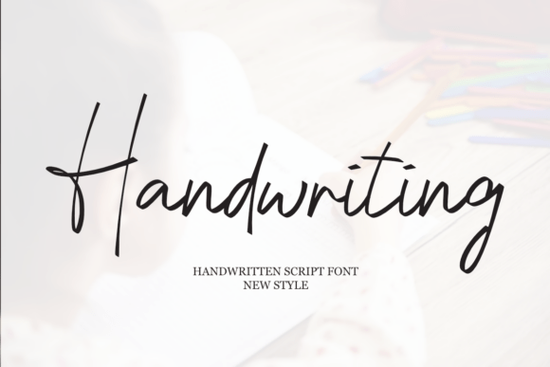
Designing with personality often comes down to the details, especially when choosing the right typeface. You want something that feels handcrafted but remains readable and reliable. That is why many creatives turn to scripts that mimic human penmanship for personal and commercial projects. One option worth considering is the Handwriting Font. This gentle font offers a sweet and cursive look that adds a warm touch to various layouts. Whether you are putting together a brand identity or creating a personal scrapbook, having access to high-quality scripts changes how your message lands.
The appeal of this specific typeface lies in its ability to balance elegance with a casual feel. It brings a joyful energy to static images without overwhelming the viewer. For small business owners, this aesthetic works well because it builds trust; people connect faster with designs that look personal rather than corporate. It is perfect for branding, logo creation, wedding stationery, greeting cards, and even fashion lookbooks. If your goal is to make your design look fancy and elegant yet still approachable, this font fits the bill perfectly.
How do you apply this script to your creative projects?
When integrating this font into your workflow, think about where warmth is needed most. In the wedding industry, invitation suites rely heavily on emotion. Using a soft cursive for names or titles alongside clean sans-serif body text creates a classic contrast. Similarly, for marketing promotions, social media graphics pop when you highlight key offers or quotes with this script. It draws the eye immediately without requiring loud colors or heavy shapes.
However, finding the right fit depends on the specific theme you are working on. Sometimes a lighter, airier script works better for a baby shower invitation. If you are exploring different variations within the same genre, you might want to check out Baby Boho Script Fonts for those softer, earthy vibes. On the other hand, if your project involves stronger visuals or needs to stand out against complex backgrounds, styles found in Front Picture Fonts often complement the imagery well. These resources provide variety without straying too far from the desired aesthetic.
Can you mix this font with rustic or farm themes?
Absolutely. One of the great things about modern scripts is their versatility across sub-genres. While some scripts are overly formal, others have a chunkier weight that suits rustic environments. If you are designing for a coffee shop, bakery, or home decor brand, a font like the Country Kitchen Font might align closely with the cozy atmosphere you want to create. This allows you to maintain consistency if you are building a broader library of assets for your clients.
For designers who appreciate intricate stroke details, the Olivia Scafter Font represents another direction where flourishes meet clarity. Exploring these different personalities helps prevent your work from looking generic. When you are ready to look beyond the initial selection, browsing through Handwriting Font Script Fonts ensures you have plenty of backup options if the primary choice needs adjustment for spacing or legibility.
Technical considerations for cutting and printing
If you plan to use this asset for physical goods, pay attention to the file format. Ensure that cut files are properly optimized for your machine, whether it is a Cricut or Silhouette. The lines need to be clean to prevent tearing, especially with thin serifs or loose loops common in handwriting styles. Additionally, for high-resolution printing like glossy business cards, always export your proofs in vector formats to maintain sharpness.
Sometimes, finding the exact variation of a script can take trial and error. To quickly locate similar typefaces based on your current needs, searching for the specific style online is helpful. You can view options like Handwriting Font to see how other creators have utilized them in real-world applications. This gives you insight into sizing and color combinations that work best.
- Test Spacing: Adjust the tracking on your headline to ensure letters don't cramp together.
- Contrast Colors: Use dark ink on light paper for maximum readability.
- File Integrity: Double-check corners on cutting files before sending them to production.
Taking the time to select the right typeface pays off in the longevity of your design. By choosing fonts that feel authentic to your brand voice, you create a memorable experience for your audience. Start by testing a few combinations in your mockups to see what truly resonates with your vision before moving forward.
Download Now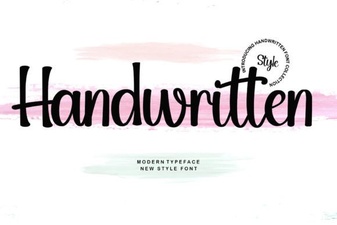 Bring Personality to Projects with Handwritten Fonts
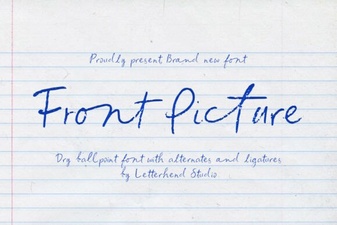 Front Font Design Ideas for Your Project
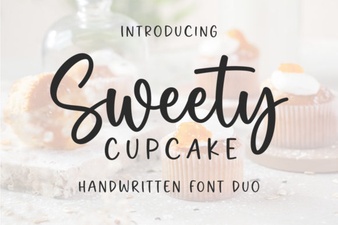 Sweet Cupcake Font Design Projects & Free Tips
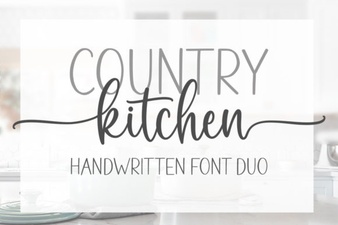 Country Kitchen Fonts for Creative Home Projects
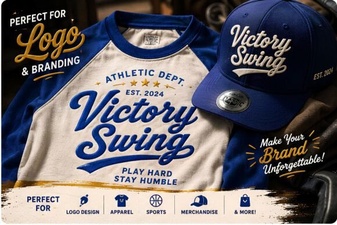 Victory Swing Font for Dynamic Branding & Posters
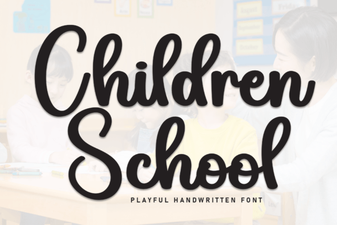 Engaging Kids with Creative School Font Design