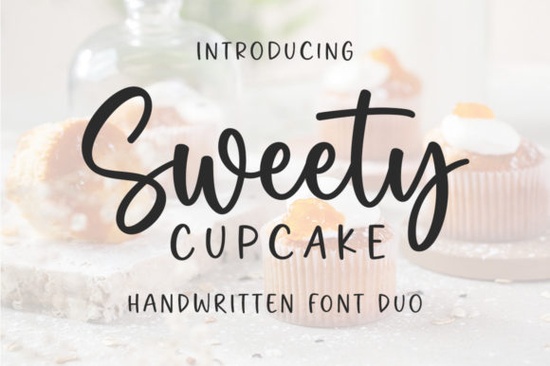
Choosing the right typography can make or break a design project, especially when you need something that balances personality with readability. The Sweet Cupcake Font offers exactly that balance, combining a clean sans-serif style with a fluid handwritten companion. Whether you are running a small business or creating custom crafts for an event, having a dual-purpose set gives you flexibility without needing to download multiple files. You can find this specific package directly on Sweet Cupcake, ensuring you get the high-quality files needed for both personal prints and commercial merchandise.
What Makes a Duo Font Set Useful?
A duo font pack typically includes two distinct typefaces meant to work together harmoniously. In this case, the sans-serif provides clarity for shorter headlines or information, while the handwritten element adds warmth for accents, signatures, or decorative quotes. This combination solves a common problem: choosing between a modern look and a classic feel. Instead, you can mix both within a single graphic to create depth. Designers often find that sticking to one set prevents visual clutter, allowing the eye to rest on the most important parts of your composition.
If you are new to mixing typefaces, remember to let one take the lead. Use the clean version for body text where legibility matters, and save the flowing script for titles or special touches. This approach keeps your message clear while still adding character. It saves time during the layout process because you already know the colors and weights will match perfectly. Many creators prefer pre-paired sets over hunting for individual fonts that might clash.
How Does It Fit Into Different Project Styles?
The versatility of this typography extends beyond just wedding invitations. Crafters often use these kinds of packs for stickers, mugs, and t-shirts because the letters are easy to cut and weedeve in software like Silhouette Studio or Cricut Design Space. The clean strokes of the sans-serif ensure sharp lines on vinyl, while the script version catches attention instantly on social media thumbnails.
However, if your brand leans more toward a rustic aesthetic, you might appreciate how other styles compare. When browsing for similar vibes, checking out collections like those found in country kitchen script fonts can give you inspiration for earthier tones. Conversely, if you need something sleeker for corporate materials, exploring Randy Sofia demonstrates how thin serifs can convey luxury. Finding the right niche helps you decide whether this duo fits your immediate needs or if you should look for something more ornate.
Understanding the distinction between script and display fonts is crucial. Scripts generally flow faster and simulate cursive writing, whereas display fonts stand alone as artistic statements. While there are countless options available under handwritten font script categories, selecting one with well-balanced characters reduces frustration during editing. Poorly constructed glyphs can cause spacing issues or weird gaps between letters that look unprofessional.
Planning Your Layout and Spacing
Typography relies heavily on negative space. When placing your text, consider how much breathing room exists around the words. Tight kerning can make a design feel cramped, especially with the loopier parts of the handwritten style. Tools that help manage alignment can prevent common mistakes. Exploring resources like alignment font script packages often highlights good practices for positioning text within grids.
- Kerning: Adjust the space between pairs of letters manually for the script section.
- Baseline: Ensure the bottom of the sans-serif aligns cleanly with the script loops.
- Contrast: Use color contrast to separate the two styles so they remain distinct.
For print-on-demand sellers, readability is key. Customers scan quickly, so ensure the headline grabs attention without becoming illegible. Using the sans-serif for detailed descriptions or size guides maintains professionalism, while the script version adds emotional value to the product listing images. Test your designs at different sizes; some effects that look great on a screen may lose detail when scaled down for a small logo.
Installation and File Formats
Before you start designing, you need to install the family on your computer. Usually, these packs come in standard OTF or TTF formats compatible with most vector programs. Double-click the file and click install, or drag it into your font manager. Once installed, they appear alongside your existing system fonts. If you encounter missing symbols, check the documentation included in the download folder. Sometimes special ligatures require specific OpenType settings enabled within your software.
Making the Final Decision
Selecting a font is subjective, but functionality matters most. You want something that doesn't demand constant adjustments. Since the characters are designed to sit well together, you can focus more on the content rather than fixing typographic errors. This workflow speedup benefits everyone from busy moms making birthday cards to entrepreneurs launching online shops.
If you are unsure about the weight, preview the full character set. Look for punctuation marks like quotation marks and commas. A well-crafted set includes these details in the same style as the letters. Missing or mismatched punctuation is a subtle sign of low quality. Taking these checks now saves hours of frustration later.
Next Steps for Your Design Workflow
To wrap up your setup, create a simple cheat sheet. Keep your favorite combinations visible so you do not waste time searching through libraries every time you open a project. Save a sample image of your preferred header layout for quick copying and pasting.
- Download the complete font pack and extract files.
- Install the fonts to your operating system.
- Create a test document with both sans-serif and script text.
- Save presets for your preferred sizing and kerning.
- Check the commercial license to ensure your project is covered.
Taking these steps ensures a smooth transition from file to finished product. With the right tools, your creative output remains consistent and professional across every channel.
Try It Free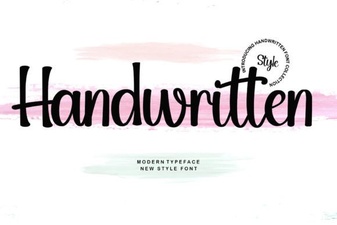 Bring Personality to Projects with Handwritten Fonts
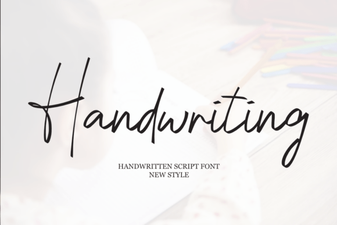 Artistic Scripts: Handwriting Fonts for Creative Projects
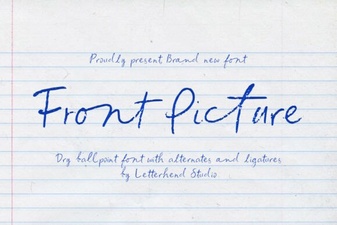 Front Font Design Ideas for Your Project
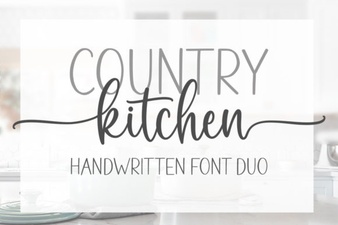 Country Kitchen Fonts for Creative Home Projects
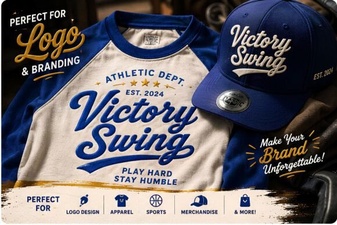 Victory Swing Font for Dynamic Branding & Posters
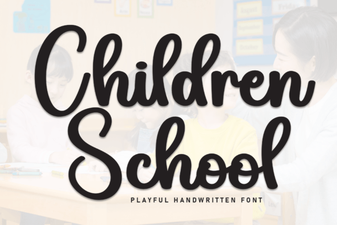 Engaging Kids with Creative School Font Design