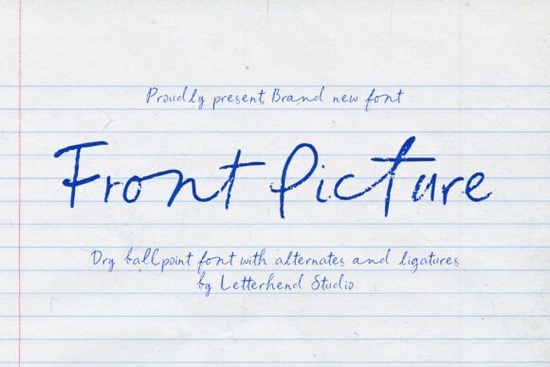
If you have ever struggled to find a typeface that feels less like a template and more like a genuine memory, then Front Picture Font captures the essence you are looking for. It brings the familiar charm of quick notes scribbled in the margins of a notebook straight into your digital workspace. Blending the texture of a dry ballpoint pen with a relaxed, natural flow, this script adds personality without trying too hard. Its slightly rough strokes, uneven pressure, and authentic handwritten rhythm give every word the feeling of a real thought captured on paper.
Does this font really look handwritten?
One of the biggest hurdles designers face when working with digital text is maintaining credibility. Computerized perfection often screams artificial, which can undermine the message you are sending to your customers. When we talk about Front Picture Font, we are discussing a tool designed to bridge that gap. The variation in stroke weight mimics how a pen behaves when pressing down harder or gliding over the surface of paper. This imperfection is what makes it trustworthy.
This level of detail helps your brand feel accessible and approachable rather than stiff or corporate. Whether you are selling physical goods online or designing digital downloads, adding a touch of humanity changes how people interact with your visuals. It invites them to pause and read because the text looks inviting rather than commanding.
Best uses for personal and commercial projects
The versatility of this script allows it to fit into many different creative niches without losing its identity. Small business owners often gravitate toward this style because it builds immediate connection with their audience. Think about greeting cards, wedding invitations, or custom packaging where a personal signature adds value. Even simpler uses, like journaling apps or planner overlays, benefit from the realistic ink bleed effect.
- Merchandise Design: Print-on-demand sellers love this for tote bags and t-shirts because it stands out against busy backgrounds.
- Social Media Graphics: Instagram stories or Pinterest pins gain higher engagement when the text feels like a personal tip shared between friends.
- Logos and Branding: Craft breweries, handmade soap makers, and boutique cafes use similar typography to signal artisan quality.
However, mixing this font with other styles requires care to maintain readability. If your project demands high contrast, pairing it with a clean sans-serif body works well to ground the text. You can explore other authentic handwritten collections if you want to see how different textures perform in layout tests. Sometimes combining two distinct handwriting styles can create visual interest, especially in larger headlines versus smaller captions.
Finding similar styles for specific vibes
Not every project calls for the same level of grit. While this font excels at casual notes, other occasions might need a softer touch or a bolder statement. If you are working on a birthday card for a child, you might enjoy the whimsical feel found within dessert-themed styles. These tend to round out edges and create a friendlier atmosphere that aligns perfectly with sugary themes or party decor.
Conversely, if you need energy for a music festival poster or an urban streetwear line, you may want something sharper. Checking out energetic script libraries can provide the dynamic slant and confident curves that grab attention quickly. On the other end of the spectrum, formal events require precision. For invitations that need to look refined yet fluid, elegant pairing options such as refined calligraphy sets offer sophistication without sacrificing readability.
Color matching is also crucial for cohesion. Soft aesthetics often pair best with gentle background textures, meaning fonts designed for pastel palettes, like those associated with soft pastel textures, will blend seamlessly. Using the right complementary style ensures the text supports the image rather than fighting against it. Always consider the emotional tone you wish to evoke before downloading a font pack.
Tips for installing and previewing
Getting the files onto your computer is straightforward, but understanding how to test them is key. Most creators prefer to use Adobe Illustrator, Photoshop, or Canva for rendering. Before applying the font to a whole design, copy a sample phrase to check kerning and spacing. Look closely at the letters 'a', 'e', and 's' to ensure they loop correctly and do not overlap unexpectedly.
- Extract Files: Download and unzip the folder to access the TTF or OTF files.
- Install System-Wide: Right-click and select install so the font appears in your application menu.
- Create Mockups: Test white text on dark backgrounds and vice versa to ensure legibility.
- Licensing Check: Verify your specific license covers the intended use, whether personal or commercial.
Why authenticity matters in marketing
We live in an era where consumers are tired of seeing the same stock imagery everywhere. They want to know who is behind the screen. A font that looks written by hand signals effort. It tells the viewer that someone sat down and put thought into the composition. This perceived effort translates into perceived value for the customer. When buying merchandise, that human touch can justify a higher price point compared to automated templates.
It is important to remember that design is about communication, not just decoration. Ensuring your text conveys warmth helps build loyalty. Tools like Front Picture Font help achieve that balance between professional polish and casual ease. It removes the barrier between the designer and the observer, making the exchange feel more intimate.
Final steps before starting your next project
Before committing to a final design, review your text hierarchy one last time. Ensure the title carries enough weight while supporting details remain secondary. Don't overload the space; whitespace is your ally here. Keep these practices in mind:
- Readability First: Ensure every customer can decipher the message regardless of device size.
- Consistency: Stick to three font families maximum per project.
- Contrast: High contrast helps distinguish script elements from plain text blocks.
- Export Settings: Save copies in both PNG for web and SVG/EPS for print applications.
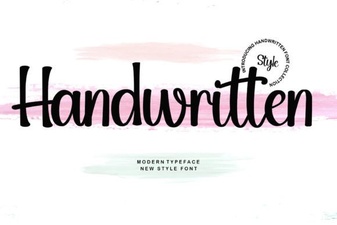 Bring Personality to Projects with Handwritten Fonts
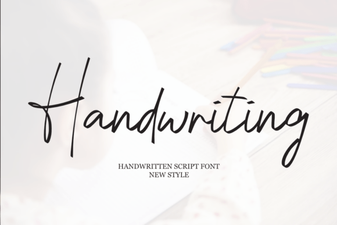 Artistic Scripts: Handwriting Fonts for Creative Projects
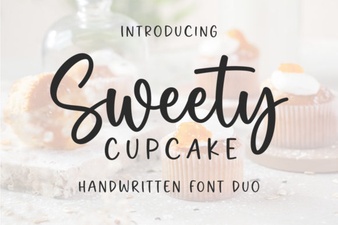 Sweet Cupcake Font Design Projects & Free Tips
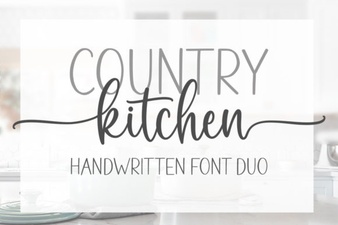 Country Kitchen Fonts for Creative Home Projects
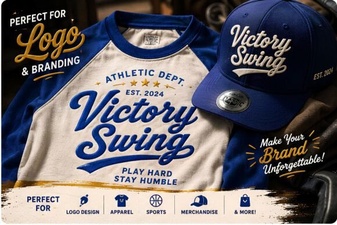 Victory Swing Font for Dynamic Branding & Posters
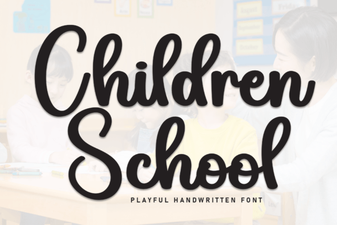 Engaging Kids with Creative School Font Design