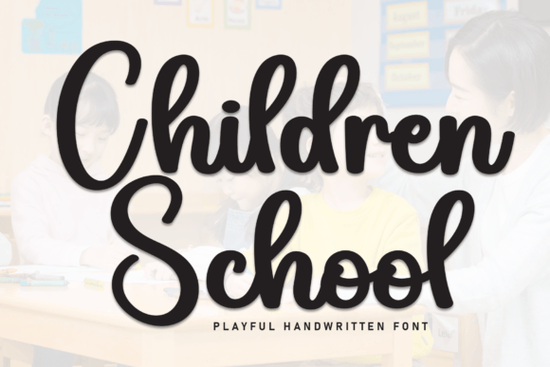
Starting a new creative project often begins with choosing the right visual voice. When your goal is to capture a playful yet polished aesthetic, Children School Font Font offers a specific solution for designers and hobbyists alike. This magical script combines legibility with a handwritten charm, making it ideal for personalized gifts, classroom materials, or social media graphics. It is designed to turn standard text into artistic statements without requiring complex illustration skills.
How does this script compare to typical handwritten styles?
Many creators prefer typefaces that feel organic rather than rigid. This particular selection brings a sense of warmth to any document or label. While standard serif fonts offer professionalism, a script like this introduces personality. If you frequently browse libraries for custom aesthetics, you might explore collections dedicated to handwriting styles to see how different brush strokes vary in weight and flow.
The key difference here lies in its balanced structure. You get the fluid movement of a pen across paper without sacrificing clarity. This balance ensures the text remains readable even at smaller sizes, which is critical when working with physical items. Whether you are printing labels or designing digital badges, consistency matters more than flair alone.
Best uses for school and craft themes
This typeface fits perfectly into environments centered around learning or youth activities. Imagine creating name tags for a kindergarten class, birthday party invitations, or educational flashcards. The rounded edges mimic natural growth, avoiding strict lines that might look too serious for young eyes. For those curating assets specifically for a younger demographic, checking out child-oriented scripts helps you find the perfect match for age-appropriate content.
You can also adapt these characters for commercial merchandise. T-shirts, tote bags, and mugs featuring this script appeal to parents who want unique, non-mass-produced looks. It works well alongside patterns like polka dots or chalkboard textures. However, keep the design simple. A busy background can overwhelm the curves of the letters, so ensure plenty of negative space exists around the typography to let the design breathe.
Pairing with bold lettering options
A common mistake in layout design is selecting multiple scripts that compete for attention. To maintain hierarchy, combine this elegant option with stronger geometric shapes. Sometimes, you need a header that demands immediate notice before supporting the delicate details below. In cases where you require a bolder swing for impact, looking at alternatives like Victory Swing provides a contrast that highlights the main message effectively.
Mixing weights creates depth. Use the script for names or special quotes while applying a clean sans-serif for instructions or dates. This separation guides the viewer’s eye through the information logically. It prevents the design from becoming chaotic while maintaining a cohesive theme throughout the piece.
Setting up your design software correctly
Before downloading, verify file compatibility with your tools. Most modern platforms handle TrueType and OpenType formats smoothly. Once installed, open your vector editor to inspect kerning and ligatures. You may need to adjust spacing manually depending on how close words sit together. For high-quality print production, always export your final work at least at 300 DPI. This ensures crisp edges when cutting vinyl or printing on fabric.
If you sell digital downloads or finished goods, understanding licensing is crucial. Always review the terms associated with Children School Font Font. Some plans allow commercial use, while others restrict usage to personal projects. Confirming these details upfront saves time and avoids potential legal issues later in your business workflow.
Tips for visual projects and image overlays
Digital presentations benefit greatly from layered text elements. You can place captions over photos or create quote cards for Pinterest boards. For projects involving prominent imagery, resources regarding picture-based scripts offer further inspiration on how to overlay text without obscuring key subjects. The goal is integration, not obstruction.
- Check your spelling before exporting files.
- Test your design in black and white to check contrast.
- Ensure the font size is large enough for mobile viewing.
- Verify the license covers your specific business model.
To finalize a project, save your source files in editable formats like PDF or SVG. This allows for future adjustments without needing to recreate the entire layout. By following these steps, you create professional-grade outputs that look polished and intentional.
Next Steps for Your Project
Start by installing the font locally to test it against your existing toolkit. Experiment with different colors and backgrounds to see what resonates best with your brand voice. Once you are confident in the setup, create a template that can be reused for future orders or posts. Consistency builds recognition faster than random creativity.
Get Started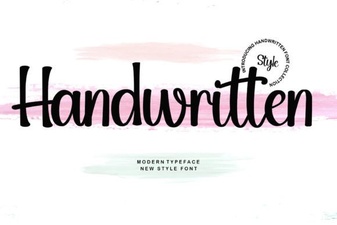 Bring Personality to Projects with Handwritten Fonts
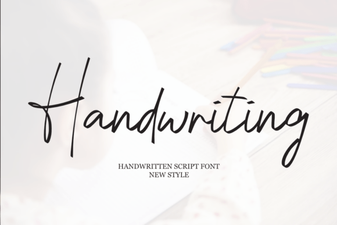 Artistic Scripts: Handwriting Fonts for Creative Projects
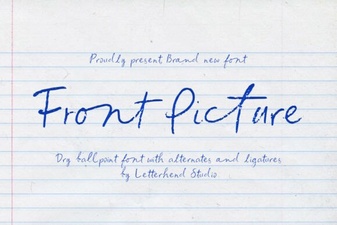 Front Font Design Ideas for Your Project
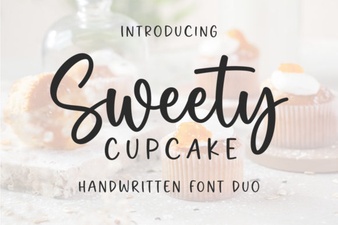 Sweet Cupcake Font Design Projects & Free Tips
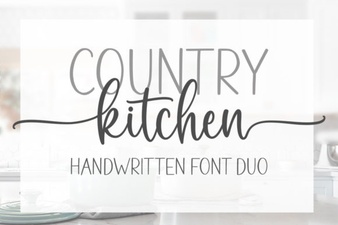 Country Kitchen Fonts for Creative Home Projects
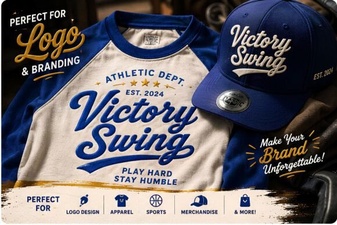 Victory Swing Font for Dynamic Branding & Posters