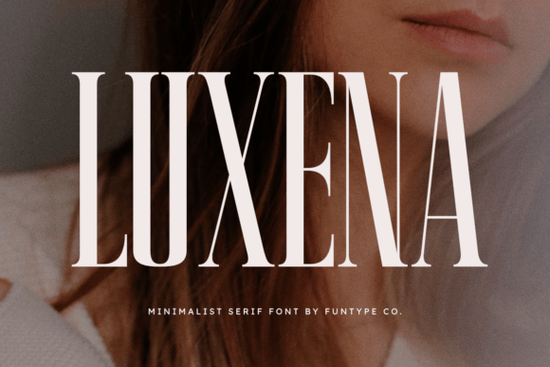
If you are looking for a typeface that balances elegance with impact, you might have come across Luxena Font. It works particularly well when you need text to convey authority without feeling heavy or cluttered. Designers often struggle to find a serif that feels modern yet established, especially when working on personal projects or commercial branding. This specific collection provides that exact feel through its tall structure and clean lines. Whether you are building a visual identity or creating physical products, getting the typography right changes how your audience perceives your work.
One common challenge in design is maintaining legibility while aiming for a luxury aesthetic. Many standard serifs can look dated or overly decorative, which distracts from the main message. Luxena avoids this trap by focusing on precision. It features refined strokes that catch the eye instantly but remain professional enough for corporate materials. The design team behind this font prioritized a sleek appearance that suits both print and digital environments equally well. Because of its robust character set, it supports various languages, making it versatile for global projects.
Is Luxena Suitable for Print-on-Demand Projects?
Crafters and POD sellers frequently ask whether a specific typeface holds up after being transferred onto fabric or merchandise. Scalability is key here. You need a font that remains sharp whether it is printed on a large poster or shrunk down to a small logo on a tote bag. Luxena maintains its integrity at various sizes thanks to its balanced stroke weights. This makes it an excellent candidate for t-shirt graphics, hoodies, mugs, and stickers. The bold nature of the letters ensures they stand out even on darker backgrounds without needing excessive outlining or shadows.
When planning a line of apparel, consistency matters. If your main logo uses this serif style, keeping the theme consistent across your marketing materials builds trust with customers. You can apply it to website headers, social media posts, and product labels. For fashion-focused niches, the elongated shape mimics the silhouette of classic runway typography. This subtle psychological cue signals quality and exclusivity to anyone viewing your brand assets.
- Variety of applications: From greeting cards to business cards.
- High visibility: Perfect for headlines and calls to action.
- Commercial readiness: Licensed for selling finished goods.
If you are exploring broader collections, you might want to browse similar serif typefaces to see how different weights interact. Exploring the catalog via luxena font serif fonts can give you inspiration for pairing styles.
Technical Compatibility and File Formats
Having the correct files installed is crucial to avoiding frustration during the workflow. Luxena comes provided in both OTF and TTF formats. OpenType offers advanced typographic features like ligatures and alternate glyphs, while TrueType ensures maximum compatibility with older software versions. Most graphic design platforms accept these standards without requiring conversion tools. This flexibility means you can use it in Adobe Illustrator, CorelDRAW, Canva, or any vector editing tool.
Installation is straightforward on both Windows and macOS systems. Once extracted from the download folder, double-click the font file to install it into your operating system. After restarting your design software, the new options should appear in your font panel. It is always wise to test a few words before starting a full project. Check how the spacing looks at small sizes versus large headings to ensure kerning pairs suit your specific layout needs.
For those purchasing directly from the market, you can locate this asset easily by searching for Luxena Font. This direct access streamlines the licensing process and guarantees you receive the latest version of the files.
How to Combine Serif Typography with Other Elements
A single font rarely tells the whole story of a design system. While Luxena provides a strong foundation for primary text, complementary elements help refine the overall look. Try pairing it with a light sans-serif for body copy. The contrast between a thick, structured header and a thin, readable paragraph creates a hierarchy that guides the viewer naturally.
Color selection plays a significant role here too. Neutral palettes like charcoal, beige, or white background accents allow the shape of the serifs to shine. Conversely, vibrant colors can highlight the personality of the logo itself. When designing posters or digital ads, leave ample negative space around the lettering. Breathing room around the characters prevents the boldness of the font from overwhelming the composition.
Next Steps for Your Project
Before committing to a final design, run through a quick verification list to ensure everything is production-ready. This simple routine saves time and prevents costly mistakes later.
- Verify that all characters display correctly in your preferred editor.
- Check spelling on mockups at 100% zoom level.
- Export the file in the required resolution (usually 300 DPI for print).
- Save backup copies of the source files before sending for manufacturing.
Taking these precautions ensures that your creative vision translates perfectly to reality. With a solid foundation like this serif set, your designs gain a polished finish that resonates with viewers immediately.
Try It Free Creative Scratch Font Designs & Projects
 Bring Personality to Projects with Handwritten Fonts
 Artistic Scripts: Handwriting Fonts for Creative Projects
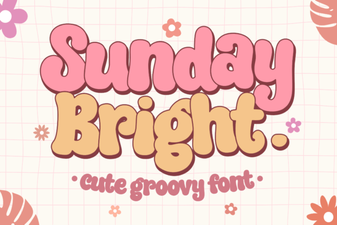 Sunday Bright Font: Design Ideas for Cheerful Projects
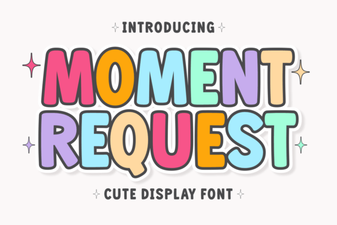 Download Moment Request Font for Creative Projects
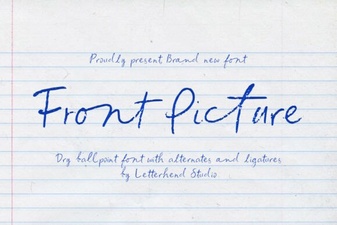 Front Font Design Ideas for Your Project