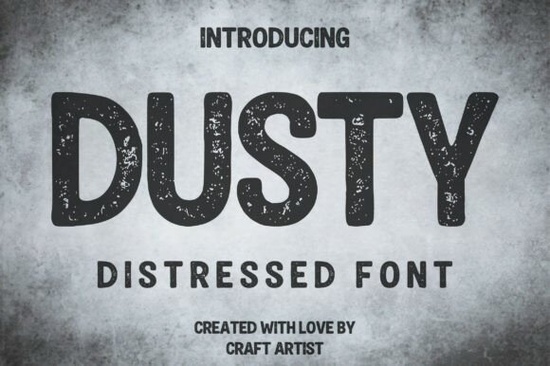
Creating designs that feel authentic often requires more than just a standard sans-serif or serif. Sometimes you need a touch of history, a bit of wear, or an industrial edge to truly communicate a brand's story. If you are looking for a tool that helps achieve a convincing weathered effect in titles and headlines, Dusty Font offers a rugged solution. This typeface utilizes heavy, integrated distressing to evoke age and grit without sacrificing legibility. Whether you are selling print-on-demand merchandise or designing branding for a local business, having the right texture can make all the difference between a flat graphic and something that feels handmade.
Why Choose a Distressed Style Over Traditional Typography?
The primary reason designers turn to distressed options is psychology. Humans respond well to imperfection; it signals authenticity and effort. A perfectly smooth vector might look efficient, but a font with intentional noise and speckling suggests craftsmanship. While the structure of this particular set remains block-like and rounded enough for excellent readability, the rough texture adds character. This is particularly valuable when creating rustic signage or custom graphics for outdoor apparel where durability is implied. If you usually prefer cleaner lines, you might explore softer variations like Crafty Bloom, which brings a similar handcrafted feel but with gentler edges. Choosing the right level of grain helps balance your visual hierarchy and ensures the message lands clearly.
Beyond Apparel: Where Does This Grit Fit?
While often associated with vintage t-shirt designs, the utility of such a versatile display font extends much further. Consider creating branding for craft beer or coffee shops; the worn aesthetic pairs beautifully with artisanal packaging. You can use this style to label boxes that aim to look aged or recovered. It works equally well for grunge music album art or promotional materials for festivals. When working on these projects, you might find that the strong presence of this lettering stands up against complex imagery better than lighter weights. If your project involves brighter, summery themes, however, you might consider how it contrasts with a more energetic style found in collections like Juicy Lemon, showing how texture defines mood differently than color.
Does Heavy Distress Ruin Readability?
A common concern with textured typefaces is whether the background noise interferes with reading speed. In this case, the designers have balanced the issue by maintaining solid stroke widths within the letterforms. Even with the embedded wear-and-tear, the forms remain distinct and legible at larger sizes. This makes them perfect for headlines, posters, and large format prints. For smaller captions, pairing it with a cleaner secondary font helps maintain clarity. If you are interested in more playful interactions with space and form, looking at alternatives such as Oopsy Doodle can provide insight into how irregular shapes affect viewer attention. Ultimately, testing your text against various backgrounds before finalizing a file is essential to ensure the texture enhances rather than obscures the words.
Integrating Rough Textures into a Cohesive Brand Identity
Consistency is key when building a brand image that feels established. Using a single display font across social media banners, website headers, and merchandise creates recognition. Because this font comes with an authentic stamp or screen-printed aesthetic, it supports a narrative of reliability and timelessness. This is especially important for small businesses wanting to compete with larger corporations that rely on slick, modern minimalism. Occasionally, combining styles can refresh your identity without losing recognition. Pairing this heavy weight with something more open and airy, such as options available under Sunday Bright, allows for dynamic layouts that breathe while still retaining that core industrial feel.
Practical Tips for Downloading and Using Type Files
To get the best results, ensure you download the package that includes multiple weight options or ligatures if necessary. Always check the licensing terms before using assets commercially, especially for print-on-demand stores. Save high-resolution versions for web use, but keep vector-ready exports if you plan to scale images significantly. Remember that distressed fonts look their best when printed or viewed at medium-to-large scales. Here is a quick checklist to verify your setup:
- Confirm the font renders correctly in your software (Adobe Illustrator, Photoshop, Canva).
- Test the kerning between letters to avoid awkward spacing caused by texture overlap.
- Print a test page on the actual material you intend to use (like fabric or cardstock).
- Ensure high contrast exists between the text and its background color.
- Verify that any special characters or numbers needed for your pricing or sizing are included.
By focusing on texture and application, you can leverage digital tools to create analog-looking work that resonates deeply with your audience. Take the time to experiment with drop shadows or color variations to push the vintage aesthetic further. With the right tools, you can build a portfolio that stands out in crowded marketplaces.
Learn More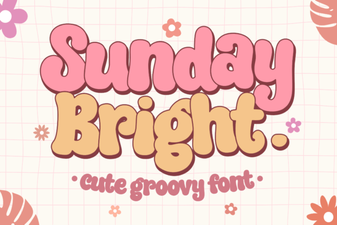 Sunday Bright Font: Design Ideas for Cheerful Projects
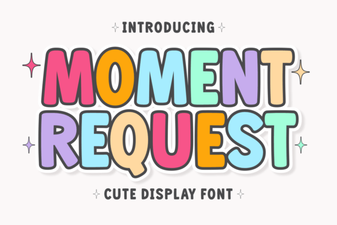 Download Moment Request Font for Creative Projects
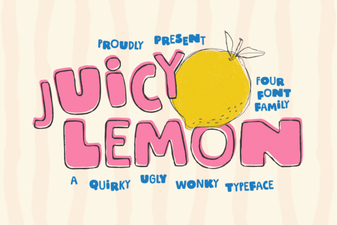 Download the Juicy Lemon Font for Fresh, Creative Designs
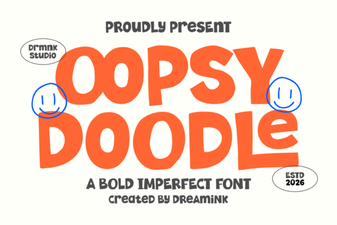 The Friendly Oopsy Doodle Font for Playful Designs
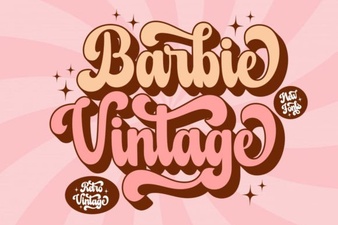 Craft Designs with Vintage Barbie Font Inspiration
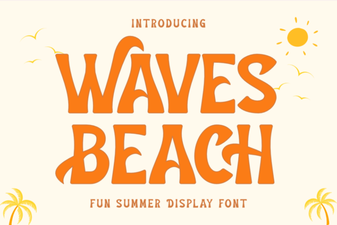 Waves Beach Font: a Free Design Resource